Set Apart: Unlocking Holiness from Ancient Law to Everyday Life
Set Apart for What Lasts: From an Obscure Old Testament Law to Everyday Obedience
Every now and then, Scripture stops us in our tracks with a command that feels foreign to modern ears. One such line appears three times in the Old Testament: “You shall not boil a young goat in its mother’s milk” (Exodus 23:19; Exodus 34:26; Deuteronomy 14:21). Why would the Bible include such a specific prohibition? And what does it have to do with our lives today?
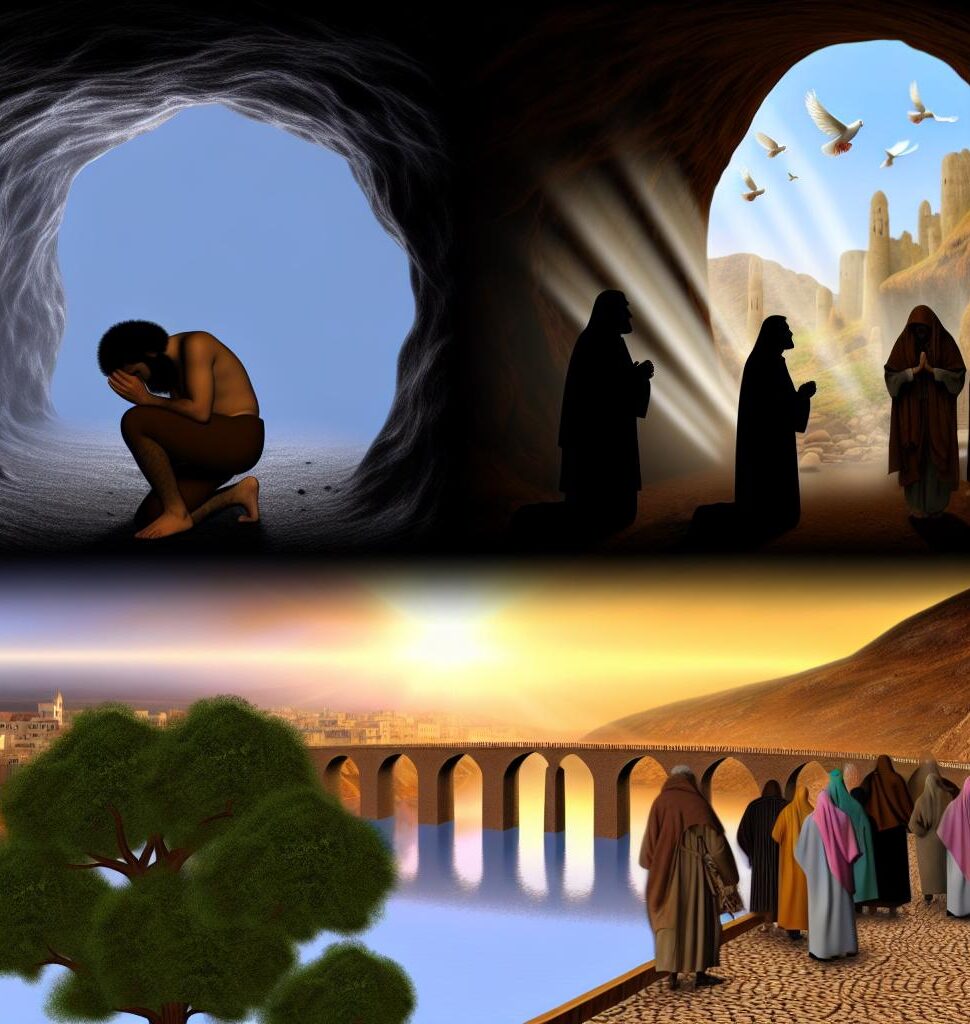
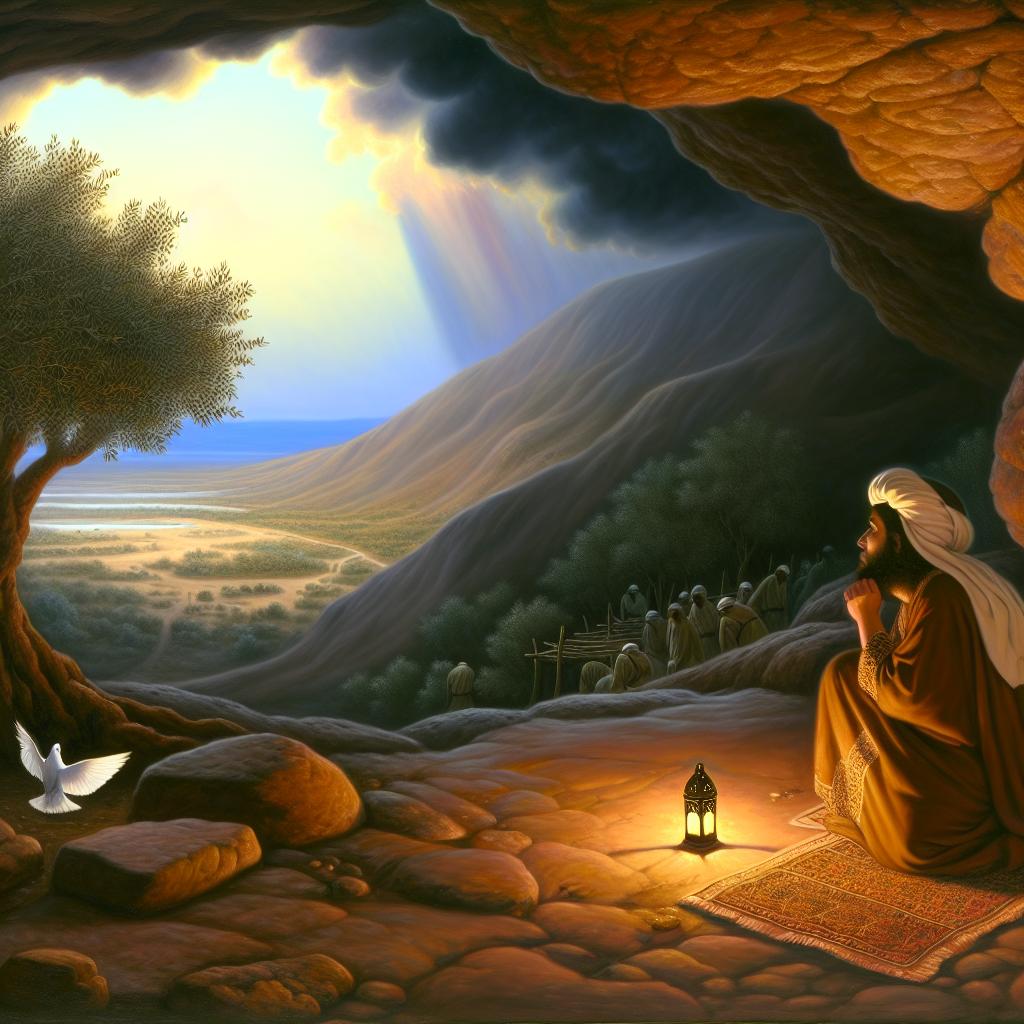
When we look closer, that small command opens a big window. It points to a consistent biblical theme: holiness through distinctness—a life set apart from the currents of the age, shaped by God’s will, rooted in trust, and aimed at what endures.
Why a Baby Goat? Context, Culture, and Covenant Identity
Ancient Israel lived among nations whose worship of false gods was often tied to fertility rites and superstition. Many scholars suggest this command protected Israel from adopting pagan practices—rituals that blurred moral boundaries and desacralized life. It also likely taught compassion: the mother’s milk, created to nourish, was not to become an instrument of death. Israel’s calling was to be different for God’s sake—marked by holiness, obedience, and a distinct culture with God’s character at its center.
In other words, even if we do not fully understand the original rationale for a command, we can discern its purpose: to shape a people whose lives reflect the Lord’s goodness, wisdom, and compassion. For more insight, explore this overview: Why were the Israelites not to boil a young goat in its mother’s milk?
Today, Christians are not under Israel’s ceremonial code. But the moral heartbeat endures in the New Testament: God’s people are to be set apart. “Do not be conformed to this world, but be transformed by the renewal of your mind” (Romans 12:2). “Be holy in all your conduct” (1 Peter 1:15–16). The details change; the direction toward holiness does not.
Resisting Worldliness: Choosing the Eternal Over the Immediate
The nineteenth-century preacher Charles Spurgeon frequently warned about the subtle pull of worldliness. Not just in scandalous sins, but also in the quiet drift toward comfort, status, or applause that dilutes devotion. Scripture cautions: “Do not love the world or the things in the world… the world is passing away” (1 John 2:15–17). Jesus urges us to invest where moth and rust cannot destroy: “Lay up for yourselves treasures in heaven” (Matthew 6:19–21).
This is the thread running through both Old and New Testaments: while the specifics differ, the call is the same. God’s people must be distinct—in what we love, in how we hope, and in what we do each day. Holiness is not an abstract ideal; it is a tangible pattern. It shows up in our habits, our choices, our media, our ethics, and our relationships.
Daily Faith in a Distracted Age
Holiness isn’t cultivated by adrenaline. It is formed by daily trust—choosing God’s promises over anxieties and His will over our impulses. We don’t need every answer to obey; we need to trust the God who speaks. He supplies both promise and presence. “Fear not, for I am with you… I will strengthen you, I will help you” (Isaiah 41:10). “Do not be anxious… and the peace of God… will guard your hearts and your minds in Christ Jesus” (Philippians 4:6–7).
This is the rhythm followers of Christ have trusted for centuries: receive a promise, obey in faith, and leave the results with God. The outcome is a life that resists the pressure of the age and displays the beauty of His kingdom—true holiness.
A Sober Reminder to Number Our Days
Last month, on a date that echoes in national memory, we reminded ourselves of how swiftly life can change—and how fleeting the “glory” of this world is. Moments like September 11 prompt a deeper question: What endures? Psalm 73 helps clarify the answer. The psalmist struggles with the prosperity of the wicked until he enters God’s sanctuary and sees with eternal perspective: “Whom have I in heaven but you? And there is nothing on earth that I desire besides you.”
In the shadow of loss, we are pressed into the substance of hope: Christ crucified and risen, a kingdom unshakeable, a future eternally secure for those in Him. Grief doesn’t diminish trust; it deepens it. When we recall such horrendous moments in history, the call to holiness, obedience, and eternal perspective is not theoretical—but practical, vital, and life-giving.
How to Live Set Apart—Today
What does it look like, practically, to practice the “goat and milk” principle—holiness through wise separation—in a modern context?
- Recalibrate your loves daily. Start your day with Scripture before screens. Ask: “What does God love? What does He call holy?” (Romans 12:2).
- Choose compassion over consumption. If a practice treats people as products, it is not holy. Seek ways to protect, nourish, and serve—reflecting God’s heart for life.
- Declutter your inputs. Curate your media. If it normalizes sin or dulls you to God’s glory, it is shaping you—moving you away from holiness (1 John 2:15–17).
- Practice Sabbath rhythms. Rest is resistance. It declares, “God runs the world, not me.” Rest reorients us to eternal treasures (Matthew 6:19–21).
- Let promises power obedience. When God says, “I am with you… I will help you,” don’t wait to feel it—walk in it (Isaiah 41:10; Philippians 4:6–7).
- Keep the end in view. Build your calendar around worship, not vice versa. Shape your habits by what will matter 10,000 years from now.
Obedience When Reasons Aren’t Obvious
Back to the baby goat: we may not fully grasp every reason behind that ancient command. But we can trust the who behind it—the God who redeems, covenants, and calls His people to bear His name to the world. When He speaks, we do not need exhaustive explanations; we need humility and the courage to obey.
Here is the liberating truth: obedience brings clarity. As we walk in God’s ways, the fog lifts. He trains us to discern what aligns with His glory and what merely glitters. That “strange” command in Scripture becomes an unmistakable call: God’s people must be different—for the good of neighbors, the purity of worship, and the witness of the gospel.
A Prayer for This Day
Father, teach us to number our days, that we may gain a heart of wisdom. Make us a holy people—set apart but not aloof; compassionate, not compromised; courageous, not combative. Fix our eyes on Christ, anchor our hope in Your promises, and form in us habits that sing of eternity in a world that’s rushing by. In Jesus’ name, Amen.
Bottom line: From a puzzling Old Testament law to a daily life of devoted trust, God calls us to holiness through distinctness—a people who resist worldliness, rest on His promises, and aim for eternal riches instead of fleeting gain. That call is not just right—it’s urgent.
Author

Discover more from Elkleaf Publishing
Subscribe to get the latest posts sent to your email.