What Does It Mean to Fear God?
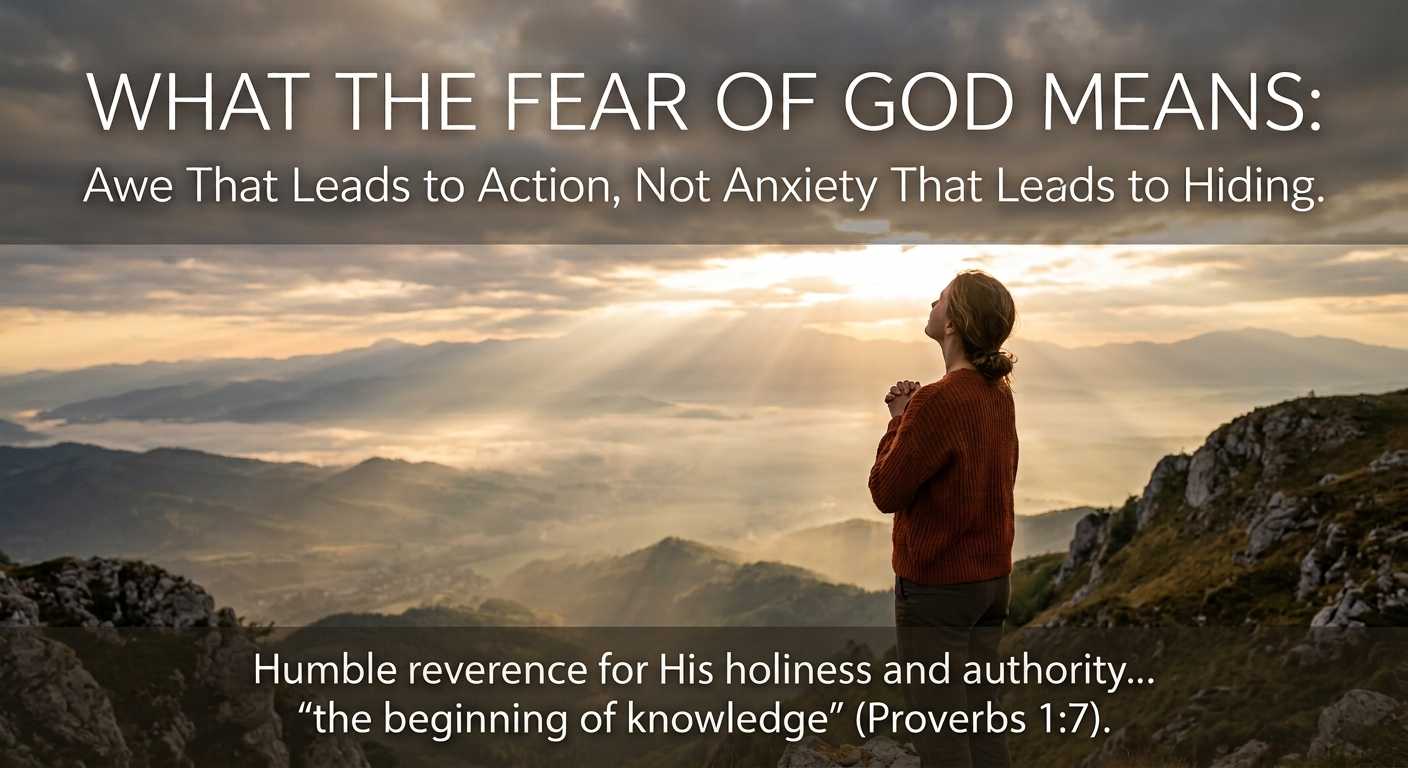
You’ve seen the phrase in Scripture and sermons and wondered whether you’re supposed to live scared of God. Here’s the short answer: the fear of God is not panic that God will drop you the moment you slip. It’s a clear-eyed, humble reverence for his holiness and authority that moves you toward worship, honesty, and obedience. If you’re searching for the fear of god meaning, think “awe that leads to action,” not anxiety that leads to hiding.
What the Fear of God Means
Holy fear is the settled awareness that God is God—utterly holy, sovereign, good, and near—and that our lives rightly belong to him. Scripture calls this “the beginning of wisdom” (Proverbs 1:7) because it puts reality in order: God at the center, everything else—including our desires, plans, and reputations—arranged around him. This kind of fear is not opposed to love; it grows with love. In fact, Psalm 130 says, “With you there is forgiveness, that you may be feared,” showing that grace deepens reverent awe, not dissolves it.
Reverent fear combines awe and obedience. It’s awe: we recognize God’s blazing holiness and unchanging character. And it’s obedience: that recognition reshapes choices, speech, habits, and hopes. It keeps us from being casual about sin or casual about grace. It makes us attentive: we care about what God cares about, we receive his Word with weight, and we refuse to domesticate him into a mascot for our preferences.
What the Fear of God Is Not
- Terror that God is eager to reject you. In Christ, believers are not under condemnation (Romans 8:1). Fear that expects abandonment is not reverence; it’s unbelief in the gospel’s promise.
- Shame-driven striving. Shame says, “You are your worst moment; keep scrubbing.” Reverence says, “God is holy and merciful; confess, receive mercy, and walk in newness.”
- Legalism. Legalism tries to earn acceptance with rule-keeping. Reverence obeys because God is worthy and we are loved, not to earn standing we already have in Christ.
- Anxious scrupulosity. Treating every choice like a spiritual minefield is not the fruit of the Spirit. Wisdom is careful; anxiety is panicked. “Perfect love casts out fear” of punishment (1 John 4:18), not the sober respect that leads to faithful action.
- People-pleasing in religious clothing. Fear of God is not fear of disappointing your small group, pastor, or online audience. It anchors you in what God thinks, even when people disagree.
How Reverence Changes Everyday Christian Living
- Private integrity when no one is watching. You’re alone with a familiar temptation. Unhealthy fear says, “If I mess up, God will hate me,” which often feeds secrecy. Reverence says, “God is here and holy; he loves me. Sin lies. I will resist and, if I fall, run to him immediately.”
- A teachable response to correction. A friend points out a harsh tone or a habit costing your family. Anxiety spirals into self-defense. Reverence listens: “God, if there’s truth here, help me repent.” You become quicker to say, “You’re right—I’m sorry.”
- Honest repentance after failure. Reverence doesn’t downplay sin, but it also doesn’t camp in despair. Think of Peter trembling before Jesus’ power and hearing, “Do not be afraid” (Luke 5:8–10). True fear faces sin, confesses, receives forgiveness, and returns to obedience.
- Worship and prayer with humility and confidence. Hebrews calls us to offer God acceptable worship with reverence and awe, “for our God is a consuming fire” (Hebrews 12:28–29). Reverence kneels; the gospel bids us draw near. Together they produce sturdy, joyful worship, not swagger or timidity.
- Decisions shaped by God’s character, not social approval. At work, you’re asked to shade the truth. Reverence remembers whose name you bear. You choose integrity, even if it’s costly, because God’s “Well done” means more than applause.
How to Tell Whether Fear Has Become Unhealthy
Use these questions to discern what’s operating in your heart:
- Does this response move me toward God or away from him? Reverence draws you to prayer, Scripture, and wise counsel. Unhealthy fear isolates and hides.
- Am I remembering both God’s holiness and his grace? If holiness eclipses grace, you will despair. If grace eclipses holiness, you will grow careless. Reverence holds both.
- Is my conscience clear or constantly condemned? The Spirit brings conviction that is specific, hopeful, and leads to repentance. Condemnation is vague, crushing, and says, “Why try?”
- Does this produce obedience or paralysis? Reverence acts: apologize, make the call, turn off the screen, return the money. Anxiety stalls with endless second-guessing.
- Am I checking boxes to feel safe with God? Reverence delights to obey; legalism bargains. If obedience is a contract to secure affection, you’re drifting from grace.
Practices That Cultivate Reverence Without Fearfulness
- Read Scripture in context. Let whole passages interpret phrases. Read Psalms that hold holiness and mercy together (for example, Psalm 32; Psalm 130). Read Proverbs on wisdom and the Gospels on Jesus’ character. Over time you’ll absorb the Bible’s balance: God is pure and near, just and gracious.
- Pray with confession and thanksgiving. Each day, name one sin honestly and one kindness from God specifically. This pairs truthfulness about sin with grateful awareness of grace, training your heart in reverent joy.
- Pause before decisions. Ask two questions: “What action here best reflects God’s character?” and “What would obedience look like in love?” Give yourself a brief, prayerful pause to choose faithfulness over impulse.
- Participate in worship and accountable community. Singing truth, confessing together, receiving the Word, and sharing the Lord’s Supper keep your heart humble and anchored. Invite one mature Christian to ask you honest questions about integrity, speech, and habits.
- Practice regular examination with the gospel in view. Once a week, review your calendar and conversations. Where did you treat God lightly? Where did you obey with joy? Confess and give thanks. End by remembering the cross and your adoption—then plan one concrete next step of obedience.
- Seek pastoral or clinical help when fear grips you. If you experience persistent spiritual anxiety, intrusive guilt, or scrupulosity that won’t release, talk with a pastor and, when appropriate, a qualified mental-health professional. Healthy reverence does not require living in distress.
Conviction Versus Condemnation: A Crucial Distinction
Many believers confuse the Spirit’s conviction with the enemy’s condemnation. Here’s a simple way to tell them apart:
- Conviction is clear about what was wrong, points to Christ’s finished work, and invites repentance and restored fellowship. It sounds like, “You lied. Confess it. Make it right. You are mine.”
- Condemnation is cloudy and crushing, smears your identity, and offers no way back. It sounds like, “You’re a fraud. Stay quiet. God is done with you.”
Romans 8:1 assures believers there is now no condemnation in Christ. That doesn’t erase conviction; it makes conviction safe. You can face hard truth because grace has already named you “beloved.”
Putting Reverence to Work: Five Everyday Scenes
- At your browser: You feel the tug toward explicit content. Reverence remembers God’s presence, your body’s dignity, and others’ worth. You choose the dignifying click: close the tab, message a friend, step into the light.
- In a budget meeting: The easy win is a half-truth. Reverence values truth above optics. You clarify the numbers and accept the cost, trusting God with reputation and results.
- After a sharp word at home: Reverence doesn’t minimize sin or wallow in it. You say, “I spoke harshly. I was wrong. Will you forgive me?” and then ask the Lord for gentleness next time.
- When correction stings: A teammate notes a blind spot. Reverence lowers defenses: “Thank you for telling me. Help me fix it.” Growth beats image.
- In prayer after a bad week: You feel unworthy to pray. Reverence remembers both fire and mercy: “Lord, you are holy and I have sinned. Thank you for Christ. Cleanse me and teach me to walk uprightly.”
Conclusion: Reverence That Draws You Near
To fear God is to wake up to reality: the Holy One reigns, sees, and saves. That awareness doesn’t shove you into a corner; it invites you to draw near with both trembling and trust. It sobers your mind, steadies your choices, and sweetens your worship. It turns “don’t mess up” religion into “God is worthy” obedience. And when you fail—and you will—reverence runs to the Father through the Son, empowered by the Spirit, to rise and walk again. That is the fear that is the beginning of wisdom, the fear that makes you more fully alive to God.
Author

Discover more from Elkleaf Publishing
Subscribe to get the latest posts sent to your email.