The Ultimate Guide to Hearing God
The Sound After the Storm
Our world aches with a familiar sorrow—shame that clings, fractures that refuse to heal, dryness that persists. Scripture identifies the root of this brokenness: sin. Yet, it also boldly proclaims an enduring hope: renewal. From Eden’s tear-stained departure to Elijah’s mountain prayer, and ultimately to the cross that makes forgiveness possible, God leads us on a journey from rupture to rain—from alienation to reconciliation.
Diagnosis: Sin Is Serious
Before seeking solutions, we must understand the problem. In Genesis 3, the Fall devastated innocence and genuine fellowship. The effects were immediate and relational—humanity’s rebellion introduced death and distance: “sin came into the world through one man, and death through sin” (Romans 5:12). Isaiah explains how our iniquities have “made a separation” between us and God (Isaiah 59:2).
We all live with these spiritual fractures—witnessed in recurring addictions, persistent bitterness, and indifference that shrugs off holiness. Sin’s consequences are weighty because God is holy. Any path to wholeness that minimizes sin inevitably minimizes God, leaving true transformation out of reach.
Direction: Hearing God’s Voice
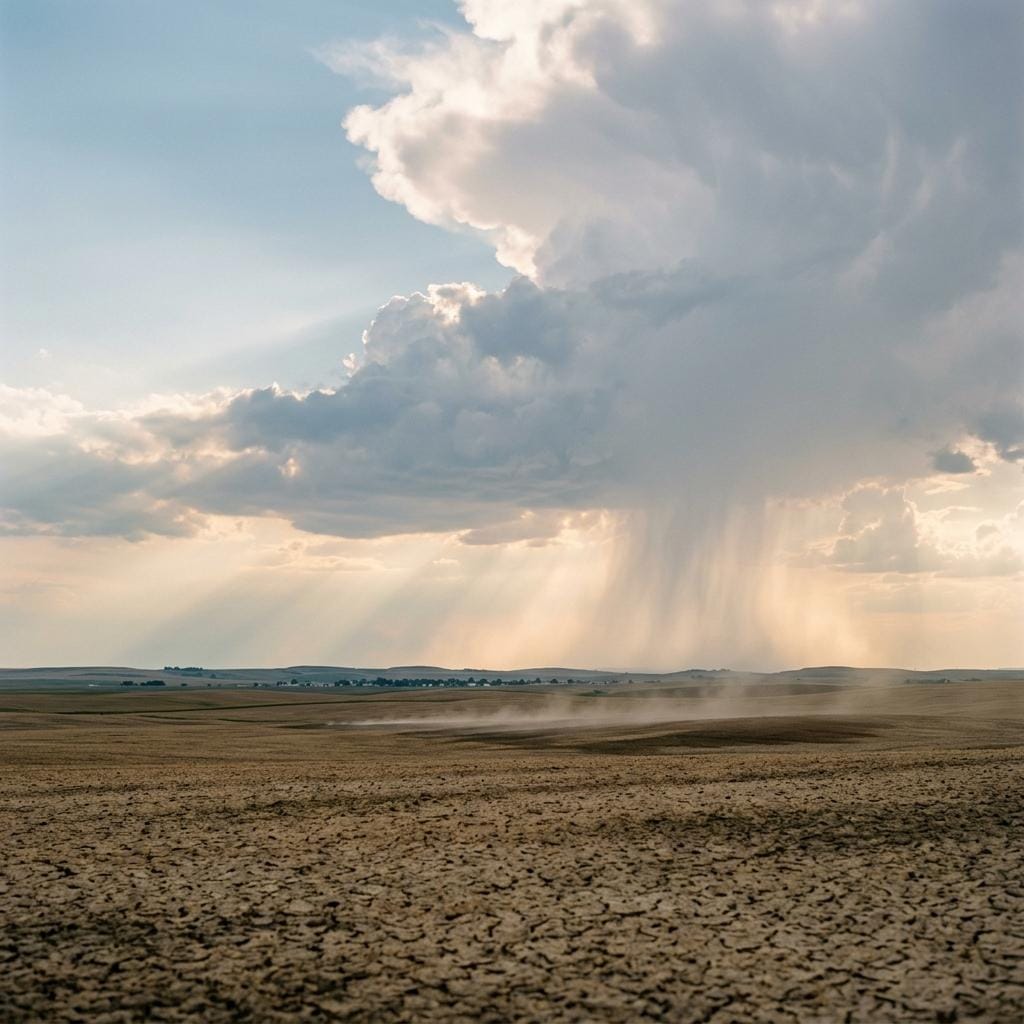
After Elijah’s triumph on Mount Carmel, the prophet declared to Ahab, “there is the sound of the rushing of rain” (1 Kings 18:41–46). Though the sky was clear, God’s promise resounded in Elijah’s spirit. Elijah ascended the mountain, bowed low in prayer, and persisted—until a small cloud appeared and rain poured. James reminds us Elijah was “a man with a nature like ours” whose earnest prayers moved heaven (James 5:17–18).
This is what hearing God looks like: faith that precedes sight, obedience that follows victory, and persistent prayer. In seasons of drought—be they personal, cultural, or within the church—hearing God’s voice is our compass. He speaks through His Word, by His Spirit, and amongst His people. Often, it’s not that He’s silent—it’s our listening that falters. Real renewal often begins when we bow in prayer even before we see results.
Deliverance: Repentance, Forgiveness, Restoration
How is Eden’s rupture healed? Not through denial, self-reliance, or empty gestures. God never trivializes sin; He addresses it powerfully at the cross. When we repent—admitting our sin and turning to Christ—He meets us with mercy. “If we confess our sins, he is faithful and just to forgive us our sins and to cleanse us from all unrighteousness” (1 John 1:9).
God then calls us to reflect His character: “Be kind to one another, tenderhearted, forgiving one another, as God in Christ forgave you” (Ephesians 4:32; also see Colossians 3:13). Jesus warned that withholding forgiveness hardens our hearts (Matthew 6:14–15).
This tension—holiness and mercy—must not be lost. Sin’s seriousness is not diminished, nor is God’s grace held back. Where repentance takes root, reconciliation grows. Where confession abounds, renewal pours down like rain on dry ground.
How to Hear God Today
If you’re spiritually dry and longing for clarity, try these practical steps for hearing God:
- Open Scripture daily. God’s voice is clearest in His Word. Start with a Gospel or Psalm. Ask, “Lord, what are You saying to me?”—try Psalm 32:1–5 this week.
- Pray with perseverance. Like Elijah, keep seeking and asking—even when the answer seems delayed. Set dedicated prayer times and guard them.
- Listen in community. God often confirms guidance through wise believers in your local church. Seek counsel and welcome correction.
- Obey the next clear step. Often, light for the path comes as you walk in obedience to what God has already revealed.
- Make space for silence. Reduce distractions—silence your phone and step away from endless information. Quiet hearts hear God better.
How to Repent Biblically
True repentance isn’t about self-punishment—it’s about turning heart, mind, and action back to God. Here is a simple, biblical process:
- Confess specifically. Name your sin to God honestly, without excuses (1 John 1:9).
- Turn decisively. Rely on the Spirit’s power to leave behind patterns or environments that fuel that sin (Isaiah 55:6–7).
- Make restitution when possible. If wise and possible, repair what’s broken through apologies, repayment, or other amends.
- Invite accountability. Share your journey with a trusted believer for prayer and support.
- Receive God’s grace. Don’t punish yourself—Jesus already bore your guilt. Reaffirm your trust in the gospel.
How to Forgive as God Does
God’s forgiveness is whole and restorative—He doesn’t keep score. Believers are called to forgive in the same way:
- Acknowledge the hurt. Forgiveness isn’t denying pain. Honestly name the wrong and its consequences.
- Release the debt. Deliberately entrust the offense to God, the Righteous Judge—even if you must do it repeatedly.
- Pursue reconciliation when safe and wise. Forgiveness opens the door to reconciliation, which requires renewed trust. Safety is essential.
- Stop keeping score. God forgives completely and asks us to do the same. Don’t revisit or rehearse the hurt.
- Pray blessing. Bless those who have wronged you—your heart often follows your prayers.
From Rupture to Rain
You may feel the alienation of Eden in your relationship, church, or private life. Perhaps all you sense is the quiet of a cloudless sky. Take heart—hearing God is possible. He still speaks, forgives, and sends rain upon the parched ground of your soul.
Begin where Scripture begins: acknowledge the reality of sin and its cost. Follow Elijah’s example in prayerful perseverance, listening for God’s promise. Ultimately, embrace Christ’s path: repent and forgive as you’ve been forgiven. The chasm sin created is bridged at the cross. Your barren places are not beyond God’s reach.
And when the signs of renewal first appear—whether a conversation, a broken habit, or a softened heart—embrace them. Even a “small cloud” is a promise of more to come. Like Elijah, prepare for the downpour. The deluge may be closer than you think.
A Simple Prayer
Holy Father, I acknowledge my sin and the rupture it brings. I turn to You, trusting Christ’s sacrifice and Your faithful promise. Teach me the art of hearing God, to walk in Your way, and to forgive as I’ve been forgiven. Pour out the rain of renewal upon my life, family, church, and our land. For Your glory and our good. Amen.
Author

Discover more from Elkleaf Publishing
Subscribe to get the latest posts sent to your email.