Christ’s Cross and Suffering: Finding Comfort and Purpose in Pain
From the Way of Sorrows to Our Ways of Suffering
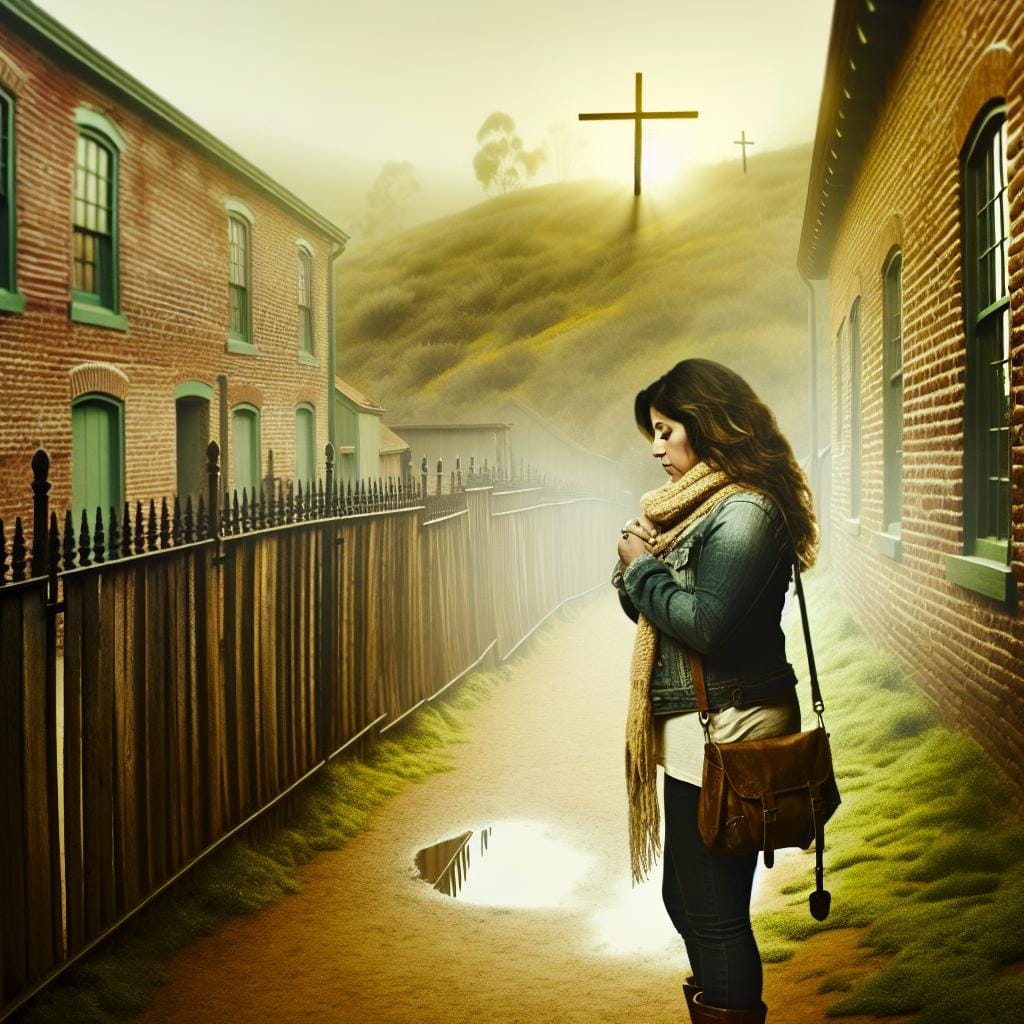
Every believer knows the ache of the long night—the unanswered prayer, the confusing diagnosis, the fog of doubt that creeps in when God’s ways feel hidden. Still, we need to remember that our Savior walked a path called the Via Dolorosa—the “Way of Sorrows”—through Jerusalem’s narrow streets, ending at the cross. That journey was not a tragic accident; it was God’s deliberate, love-driven plan to bring reconciliation between a holy God and a sinful people. And because Jesus walked that road, our roads of sorrow are never walked alone and never without purpose.
If you’ve ever felt like you’re stumbling along an unclear path, take heart: Christ’s cross and suffering anchor our hope, Scripture names our afflictions honestly, and the Spirit meets us with comfort that transforms pain into compassion and witness.
If you find this post helpful, please support these ministry efforts by buying a copy of my book: The Bible Made Simple and Easy: Book‑by‑Book Summaries of All 66 Books with Visual Aids and Key Verses. Available in the shop and on Amazon. Get your copy today!
Anchored at the Cross: Reconciliation Reframes Pain
The Via Dolorosa is more than a historical route; it’s a theological declaration. Along that way, Jesus bore the full weight of our sin and sorrow. On the cross, He accomplished atonement—the once-for-all sacrifice that makes peace with God possible. As Paul writes, “Since we have been justified by faith, we have peace with God through our Lord Jesus Christ… we rejoice in our sufferings… because God’s love has been poured into our hearts” (see Romans 5:1–11).
Isaiah foresaw this Way of Sorrows: “He was despised and rejected… a man of sorrows and acquainted with grief… with his wounds we are healed” (Isaiah 53). This is the firm ground beneath our feet. Before we ever try to make sense of our trials, we stand under the shadow of the cross where Jesus secured reconciliation, forgiveness, and an indestructible hope. Our suffering is not payment for sin—Christ paid it in full. Our suffering is not proof of God’s absence—the cross proves His relentless presence. Christ’s cross and suffering reframe our pain: not meaningless, not final, but woven into God’s redemptive purpose.
Why We Suffer: Comfort, Purpose, Transformation
Paul, no stranger to affliction, opens 2 Corinthians with a breathtaking claim: God is “the Father of mercies and God of all comfort, who comforts us in all our affliction, so that we may be able to comfort those who are in any affliction” (2 Corinthians 1:3–7). Notice the movement:
- Comfort received: God meets us where the ache is sharpest.
- Comfort shared: He equips us to carry that same comfort to others.
- Hope strengthened: As Christ’s sufferings overflow to us, His comfort also overflows.
Scripture gives several purposes God works through our pain:
- Formation: Trials produce endurance, character, and hope (Romans 5:3–5).
- Dependence: Hard-pressed places teach us to rely on God, not ourselves (2 Corinthians 1:8–9).
- Compassion: Wounded healers carry uniquely tender help to the hurting.
- Witness: Hope under pressure testifies that Christ is worth trusting, even in the dark.
None of this glamorizes suffering. It dignifies it—naming pain honestly while standing on the promise that God never wastes a tear. Christ’s cross and suffering offer comfort that is not sentimental but substantial, delivered through His Word, His Spirit, and His people.
When Faith Feels Foggy: Doubt Isn’t Disqualification
Some of God’s most faithful servants wrestled with doubt and discouragement:
- Moses groaned under the people’s burdens (Numbers 11:10–15).
- Elijah fled exhausted and prayed to die, until God met him with gentle provision (1 Kings 19).
- Jeremiah poured out raw lament and confusion before the Lord (Jeremiah 20:7–18).
- Paul despaired of life itself, learning to trust God who raises the dead (2 Corinthians 1:8–9).
Doubt is not the same as disbelief. Doubt often signals that our faith is stretching to hold more than it has before. Instead of hiding it, bring it into the light of God’s presence. Like those who have gone before us, we learn to trust God’s heart when we can’t trace His hand. Christ’s cross and suffering assure us that even when His ways are unclear, His character is not. He is holy, wise, good, and near.
Walking the Path: Practices for the Valley
How do we move forward when the path curves and the fog won’t lift? Consider these Scripture-shaped practices:
- Pray your pain honestly. Trade polish for psalm-like candor. Lament is faith refusing to go silent.
- Cling to the Word. Read passages that braid suffering and hope together—Isaiah 53, Romans 5, 2 Corinthians 1. Speak them aloud when anxiety spikes.
- Lean into the Body of Christ. Don’t isolate. Let trusted believers carry your burdens, and receive their practical help and prayer.
- Serve from your scars. Ask, “Who can I comfort with the comfort I’m receiving?” Even small acts of compassion push back the darkness.
- Remember reconciliation. Preach the gospel to yourself: “I have peace with God through Jesus. This suffering is not punishment; it is a place for His power.”
- Wait with expectation. God’s timelines rarely match ours, but His promises never fail. Hope isn’t naive optimism; it’s stubborn allegiance to the risen Christ.
For This Season: An Invitation to Trust
Many of us may be walking in a season of life where we are walking our own ways of sorrow—health scares, prodigal children, strained marriages, quiet battles with fear. Let this season invite you to three responses:
- Look back to the cross where reconciliation was won. Return again to the atoning love of Jesus. Fix your eyes on His wounds; let His peace steady you.
- Look around for those in affliction. Ask the Spirit to show you one person to encourage this week. Share a verse. Make a meal. Sit and listen. Your presence may be the comfort God provides.
- Look ahead to the empty tomb. Suffering will not have the last word. Resurrection is the final chapter for every believer in Christ.
The journey motif runs through Scripture because God forms His people on the way. The Via Dolorosa is the path Jesus walked for us; our paths of sorrow are now the places He walks with us—turning pain into purpose, struggle into transformation, and doubt into deeper trust through Christ’s cross and suffering.
A Simple Prayer
Father of mercies and God of all comfort, meet me in this valley. Anchor me in the reconciliation Jesus won at the cross. Pour Your comfort into my heart, and make me a vessel of comfort for others. When the path is unclear, help me trust Your heart. Form me, use me, and keep me until the day I see the risen Christ. Amen.
Author

Discover more from Elkleaf Publishing
Subscribe to get the latest posts sent to your email.