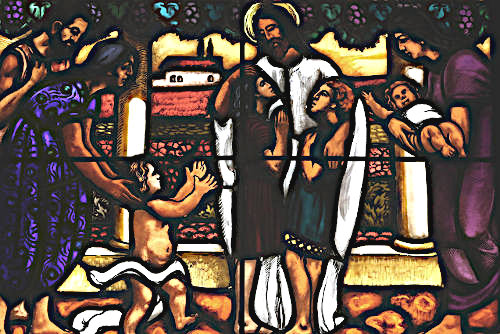
Trust God’s Goodness: for Peace and Purpose
Trust God’s Goodness Over Striving
We live in a world that rewards hustle, celebrates self-reliance, and shouts a thousand competing versions of “truth.” Yet the Gospel cuts through the noise with a better way: trust over striving, faith over fear, selflessness over self-promotion, and worship that flows from a heart at rest in God’s goodness. This is the path to peace, purpose, and a life that actually bears fruit. Above all, learning to trust God’s goodness transforms everything.
Worship That Rests: Learning from Abel and Cain
In the first family story after Eden, we meet two worshipers. One’s offering was accepted; the other’s was not. Why? Scripture hints at the heart motive. Abel’s sacrifice was offered “by faith” (Hebrews 11:4), while Cain’s was marked by a posture that led to anger, envy, and striving (Genesis 4).
True worship flows from trust God’s goodness, not transaction. It isn’t a performance to get God on our side; it’s a surrendered response to who God already is—good, loving, and entirely trustworthy. When our hearts rest in His character, our lives move from anxious effort to peace and from restless grasping to joyful generosity.
Ultimate Reality: God’s Revelation Gives Meaning
We are not accidents in a godless universe. Purpose, meaning, and design come from God’s revelation, not from chance. Paul told the Athenians that the Lord “made the world and everything in it” and set our times and places “that [we] should seek God” (Acts 17:24–28). Reality centers on God’s identity and His saving work through Christ. Aligning with that reality leads to fulfillment—not the thin, ego-driven version our culture sells, but the deep, durable kind found in salvation and daily faithfulness.
When Suffering Refines (Not Defines)
Hardship is not proof that God has abandoned you. It’s the place where His promises prove true. Peter writes that after we have suffered “a little while,” the God of all grace will Himself restore, confirm, strengthen, and establish us (1 Peter 5:10). In trials, God is working growth, refining, perseverance, and endurance. The critical question is not “Why is this happening?” but “How will I respond?”
The right response anchors us in hope and keeps us ready for God’s purpose. The wrong response—reading God’s character through the lens of our circumstances—opens the door to spiritual drift. But if we trust God’s goodness, we are anchored when storms hit.
Expose the Lies: God Is Good, God Loves You, God Can Be Trusted
Our adversary peddles familiar deceptions:
- Lie 1: God is not good. Truth: “No good thing does he withhold from those who walk uprightly” (Psalm 84:11). His goodness is not on trial; our perspective is.
- Lie 2: God doesn’t love you. Truth: “God shows his love for us in that while we were still sinners, Christ died for us” (Romans 5:8). The cross is the settled verdict of God’s love.
- Lie 3: God can’t be trusted. Truth: “God is not man, that he should lie” (Numbers 23:19). His promises hold when our feelings don’t.
We don’t measure truth by circumstances; we measure circumstances by truth. That’s why we “take up the whole armor of God” and fight in prayer, Scripture, and discernment (Ephesians 6:10–18). This is spiritual warfare 101. One of the most powerful weapons is to trust God’s goodness no matter what.
Love That Acts: Selflessness Builds Trust and Opens Doors
Nothing corrodes a home, friendship, or church faster than selfishness. Nothing rebuilds trust faster than selflessness and generosity. The principle of sowing and reaping is not just about money—it’s a relational law God baked into the world: “Whatever one sows, that will he also reap” (Galatians 6:7–9).
If you want a harvest of blessing in your closest relationships, plant seeds of grace, patience, and practical service. And if you want your life to matter beyond your address, let love for others silence the “sin of silence.” The Gospel is good news too good to withhold. We are Christ’s ambassadors; love compels us to speak with courage and witness to the hope we have (2 Corinthians 5:14–21; Matthew 28:18–20).
Don’t Miss Your Moment: Reorder Priorities Today
We can’t control yesterday, but we can choose intentionality today. If you could change one thing—your priorities, your family rhythms, your spiritual practices—what would it be? Start there. Contentment grows when we put first things first: faith, people, and the mission Jesus gave us. Everything shifts when we dare to trust God’s goodness with our daily choices.
Try these starter moves toward peace, purpose, and faithful action:
- Begin with worship, not work. Before emails, offer God a simple prayer: “Father, I trust You. I surrender my plans. Lead me.” That heart posture will shape every decision.
- Trade hurry for presence at home. Establish a phone-free dinner three nights a week. Look your people in the eyes. Ask, listen, bless. Choose connection over distraction.
- Practice small, steady generosity. Set a recurring gift to your church or a Gospel-centered ministry. Sow now; reap later. Let generosity become your default mode.
- Reframe adversity. In trials, ask, “How is God refining me?” Journal your answer. Watch growth replace grumbling.
- Break the silence once a week. Share your testimony or a Gospel invite with one person. Love is not silent about salvation.
- Build a truth filter. When fear spikes, answer it with Scripture. Keep a short list of go-to verses for hope and trust (start with Romans 8 and Psalm 23).
A Simple Weekly Rhythm of Surrender
Here’s a practical pattern to keep your heart anchored in truth and your life aimed at what matters most—always remembering to trust God’s goodness as the foundation:
- Sunday: Gather with the church. Receive the Word. Respond in worship and generosity.
- Monday: Name your top three priorities for the week. Align them with God’s purpose and your family’s needs.
- Tuesday: Identify one relationship to bless—write a note, make a call, serve in a tangible way.
- Wednesday: Midweek fast from social media. Replace the scroll with Scripture and prayer for discernment.
- Thursday: Share the Gospel with someone. Keep it simple and sincere.
- Friday: Date night or family night. Protect it fiercely. Prioritize connection and contentment.
- Saturday: Sabbath rest. Walk, read, pray, and delight in God’s goodness.
From Striving to Surrender
Cain trusted his performance; Abel trusted God. Only one posture leads to peace. In a culture brimming with counterfeits, take up the easy yoke of Jesus. Let God’s character—not your feelings, not your circumstances—define reality. Choose selflessness at home, generosity with your life, courage with the Gospel, and trust God’s goodness in every trial. That’s not just a mindset shift; it’s a revolution of the heart.
Father, we renounce the lies that You are not good, that You do not love us, or that You cannot be trusted. By Your Spirit, align our hearts with Your truth. Make our worship sincere, our love bold, our priorities wise, and our witness clear. In Jesus’ name, amen.
See This Related Post: Jeremiah 29:11
Author

Discover more from Elkleaf Publishing
Subscribe to get the latest posts sent to your email.